





Cooke primes are among the most requested lenses in our catalogue, and the question we hear most often is simple: should I buy a Cooke S4/i set or a Cooke S7/i set? Both share the warm, smooth rendering known as the “Cooke Look”, both open to T2.0 and both are PL-mount cinema primes built for professional crews. The real difference is the sensor they were designed for, and that changes everything from budget to weight. Here is how to decide in the Cooke S4 vs S7 debate.
The S4 series has been a reference on feature films, TV drama and commercials for decades. The /i versions add Cooke’s /i Technology, which sends lens data such as focal length, focus distance and iris to compatible cameras and lens control systems.
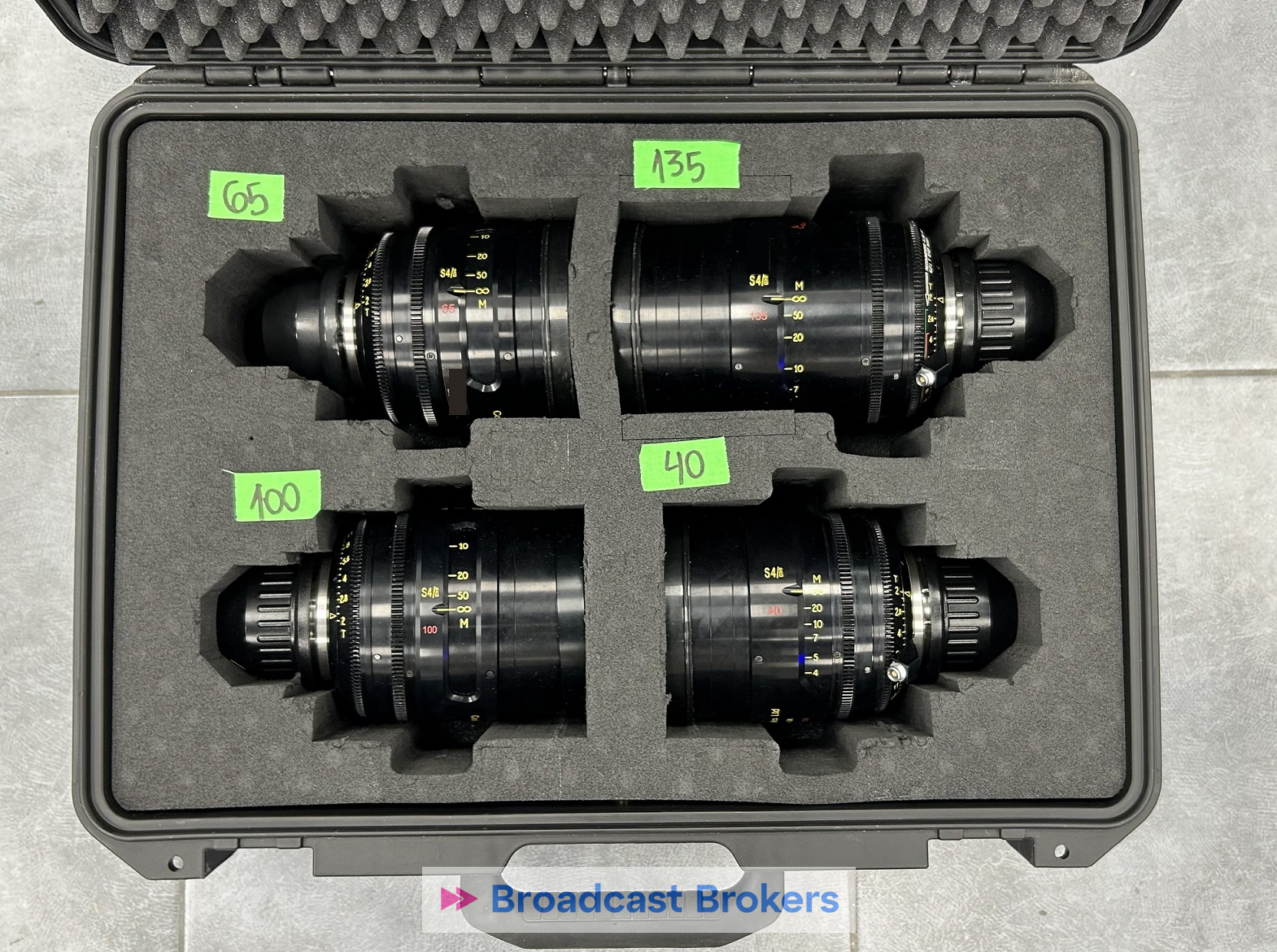
If you shoot on a Super 35 camera such as the ARRI Alexa Mini or the ARRI Amira, an S4/i set is often the most sensible investment. See for example our Cooke S4/i LDS 8-lens set (metric) or the Cooke S4 5-lens set (Imperial).
The S7/i was developed for large sensors. It keeps the S4 rendering philosophy but covers full-frame and large-format cameras.
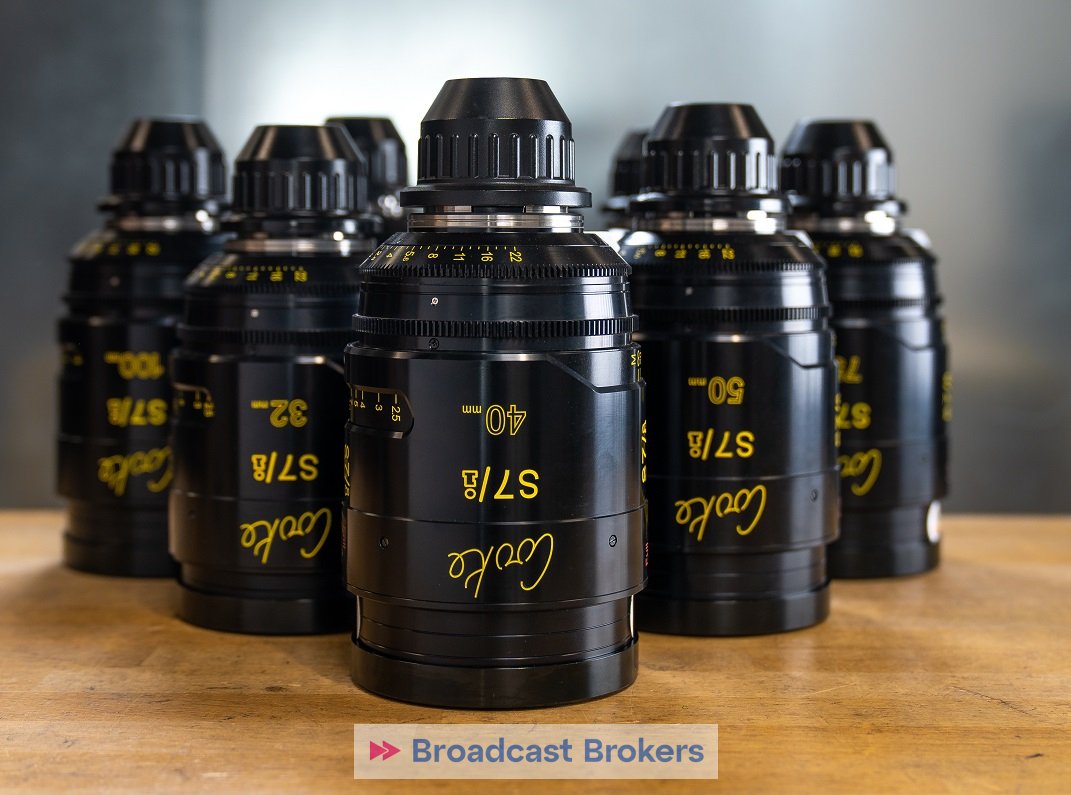
Our Cooke S7/i 8-lens metric set is a good example of a complete full-frame kit.
| Cooke S4/i | Cooke S7/i | |
|---|---|---|
| Sensor coverage | Super 35 | Full frame |
| Maximum aperture | T2.0 | T2.0 |
| Mount | PL | PL |
| Lens data | /i Technology | /i Technology |
| Size and weight | Compact for a cinema prime | Larger and heavier |
| Used market | Wide, more affordable | Smaller, higher prices |
For exact focal lengths, weights and image circles, see the official data sheets on the Cooke Optics website.
Choose the S4/i if your main camera is Super 35, if you rent to productions that mostly shoot Super 35, or if budget per focal length matters. You can also use S4/i lenses on a full-frame camera in a Super 35 recording mode.
Choose the S7/i if you own or rent out full-frame cameras, want the shallow depth of field and wider field of view of a large sensor, and need the lens set to cover the full sensor without cropping.
If you own both formats, many rental houses keep an S4/i set for Super 35 jobs and add an S7/i set when demand for full frame grows.
Check the focus scale (feet or metric), the condition of the glass and coatings, the smoothness of focus and iris rings, and whether the /i contacts work with your camera. A recent service and collimation report is a strong point when buying or reselling.
Looking for a Cooke set? Browse our offers or contact us with the focal lengths you need. Want to sell your Cooke lenses? Visit sell your equipment. Need a service? See our maintenance and repair page.
